Why traditional fleet management is no longer enough
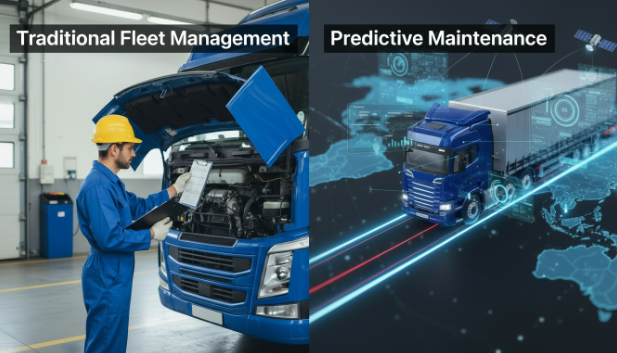
A lot of fleet operations still run on spreadsheets and phone calls. Not because the technology to replace them doesn’t exist, but because the old way worked well enough for long enough that switching felt optional. One analysis found that fleets relying on manual processes spend $80-90 per asset per month on administration alone. Fleets using modern software spend $8-9. That’s a 10x difference, and most of it comes down to how data flows through the operation.
The question isn’t really whether traditional methods are bad. For a 15-truck regional operation in 2010 with stable routes and a fleet manager who personally knew every driver, spreadsheets and calendar maintenance were fine. The question is whether those same methods can handle what fleet operations look like now — tighter margins, higher fuel costs, stricter compliance, customers demanding real-time visibility, and insurance carriers that want telematics data before they’ll offer competitive rates. For most fleets, the honest answer is no.
The disconnection problem
What makes traditional fleet management expensive isn’t any single tool being bad. It’s that none of the tools talk to each other.
Fuel gets tracked through credit card statements. GPS lives in a separate platform. Maintenance records sit in a spreadsheet someone updates on Fridays. Driver behavior, if anyone’s tracking it at all, comes from incident reports written after something already went wrong. ELD data handles compliance but has nothing to do with maintenance scheduling or fuel analysis.
So the fleet manager ends up making decisions based on whichever piece of information they happen to have in front of them. The fuel report says spending is up, but it can’t tell you whether that’s because diesel prices rose, or because three trucks have developed engine issues that are burning fuel inefficiently, or because a driver is idling two extra hours per day at the depot. Each of those problems has a different fix. Without connected data, you’re guessing which one you’re dealing with.
The time delay makes it worse. Monthly fuel reconciliation means you’re discovering a consumption problem four weeks after it started. Calendar-based brake inspections mean you’re pulling trucks into the shop on schedule regardless of whether the brakes actually need attention — and IBM research found that 30% of preventive maintenance visits turn out to be unnecessary. Meanwhile, the truck with a cooling system that’s genuinely drifting toward failure might sit on a highway shoulder next Tuesday because its scheduled inspection isn’t for another six weeks.
Disconnected data and delayed visibility wouldn’t matter much if the operating environment were forgiving. It used to be. It isn’t anymore.
Why the old margins of error disappeared
Five years ago, a fleet manager could absorb moderate fuel waste, occasional unplanned breakdowns, and reactive maintenance costs without it threatening the operation. Margins were wider. Competition was less ruthless on delivery timelines. Insurance premiums hadn’t started punishing fleets that couldn’t produce telematics safety data.
That math changed. Fuel now runs 24-40% of total operating costs, and even a 5% inefficiency on a $1 million fuel budget is $50,000 that nobody budgeted for. The ATRI reported marginal trucking costs at $2.27 per mile in 2023, with maintenance as one of the fastest-growing line items. Customers stopped accepting “the truck should be there by end of day” and started expecting real-time ETAs with proof-of-delivery timestamps. Regulators added layers — ELD mandates, emissions reporting, state-level compliance rules — that make paper-based documentation a liability rather than just an inconvenience.
And insurance carriers changed the game. Fleets with telematics-verified safety programs, driver monitoring, and dash cams are getting 15-20% premium reductions. For a fleet paying $300,000 a year in insurance, that’s $45,000-$60,000 in annual savings — enough to fund a fleet management platform and still come out ahead. Fleets without that data aren’t just missing a discount. They’re increasingly being quoted higher baseline rates because the insurer views them as higher risk.
These pressures don’t operate in isolation. A fleet absorbing hidden fuel waste while simultaneously overspending on reactive maintenance while paying inflated insurance while losing customers to competitors with better visibility is bleeding from four places at once. Traditional methods can’t stop the bleeding because they can’t see where it’s coming from.
What changes when the data connects
The shift from traditional to modern fleet management is less about any specific technology and more about what happens when fuel, engine health, driver behavior, location, and maintenance data stop living in separate systems.
A truck showing declining fuel efficiency gets flagged by the platform. The system cross-references the fuel data against the truck’s route history and driver behavior scores. If the driver changed or the route changed, that explains it. If neither changed, the system checks engine health data and finds that exhaust temperatures have been trending slightly high for ten days — a possible injector or turbo issue. That sequence, from fuel anomaly to root cause identification, takes seconds on a connected platform. On disconnected systems, it takes weeks of manual investigation if it happens at all.
Platforms that integrate fuel monitoring, driver analytics, route data, and predictive maintenance into a single operational view produce documented results: 30-50% reduction in unplanned downtime, 10-20% fuel savings from driver coaching and idle reduction, and ROI timelines of 3-6 months for fleets over 20 vehicles. Those numbers come from the integration, not from any individual feature. A GPS tracker alone doesn’t produce that. A fuel card alone doesn’t produce that. Connected data does.
Dealing with the fleet you actually have
Most fleets considering this transition aren’t starting clean. They have trucks from 2018 with aftermarket GPS dongles, trucks from 2022 with basic OEM telematics, and trucks from 2025 with full embedded connectivity. They have an ELD vendor they’re locked into, fuel card contracts they can’t easily switch, and a maintenance shop that runs its own scheduling system.
The platforms worth evaluating in 2026 are the ones built for this reality. Systems that pull data from aftermarket devices, OEM telematics, fuel cards, and existing ELD platforms into a single view, regardless of vehicle age, brand, or existing hardware. Replacing everything at once isn’t practical. Connecting what already exists is.
This also means thinking about the fleet lifecycle. Commercial trucks run for 7-12 years. A truck purchased today will be in service into the early 2030s. The platform managing that truck needs to handle everything from initial deployment through years of operational data accumulation to the eventual decision about whether a $6,000 repair is worth it on a truck with 400,000 miles. Technology built around the full asset lifecycle ties daily operational data to long-term capital decisions, so retiring a truck is based on actual cost-per-mile trends and component health history rather than gut feel.
What waiting actually costs
The fleet management market is headed toward $35 billion by 2030. That growth is mostly mid-size fleets that held out as long as they could and are now adopting because the gap between what they’re spending and what they could be spending became too obvious to justify.
Every month on disconnected systems is another month where fuel waste compounds undetected, preventable breakdowns hit the P&L, insurance premiums stay higher than they need to be, and customers quietly evaluate competitors with better delivery visibility. None of those costs show up on a line item labeled “price of doing things the old way.” They’re scattered across the budget in ways that are hard to isolate but easy to feel when margins keep getting thinner despite the fleet running the same number of trucks on the same routes.
The old methods aren’t broken in the way that something broken stops working entirely. They’re incomplete in a way that costs money slowly and consistently. And in a business where the difference between a profitable year and a losing one can be a few percentage points of operating cost, slow and consistent losses are the ones that matter most.