
Truck Tool Box Storage Ideas for Better Worksite Organization
Warning: Object of class WP_Post could not be converted to int in /home/u709045765/domains/auto-alley.com/public_html/wp-content/plugins/poststreamline/poststreamline.php on line 711
Warning: Object of class WP_Post could not be converted to int in /home/u709045765/domains/auto-alley.com/public_html/wp-content/plugins/poststreamline/poststreamline.php on line 711
Warning: Object of class WP_Post could not be converted to int in /home/u709045765/domains/auto-alley.com/public_html/wp-content/plugins/poststreamline/poststreamline.php on line 711
Warning: Object of class WP_Post could not be converted to int in /home/u709045765/domains/auto-alley.com/public_html/wp-content/plugins/poststreamline/poststreamline.php on line 711
Warning: Object of class WP_Post could not be converted to int in /home/u709045765/domains/auto-alley.com/public_html/wp-content/plugins/poststreamline/poststreamline.php on line 711
Warning: Attempt to read property "post_excerpt" on null in /home/u709045765/domains/auto-alley.com/public_html/wp-content/themes/covernews/inc/hooks/blocks/block-post-header.php on line 43
A work truck is more than transportation. For contractors, mechanics, landscapers, electricians, construction crews, and mobile service teams, it often works as a moving storage room, repair station, and jobsite support vehicle. Without a proper system, tools can slide around, small parts can disappear, and valuable equipment may be exposed to weather or theft. That is why smart truck storage solutions matter for anyone who depends on a pickup for daily work.
A well-planned truck tool setup improves safety, saves time, and helps crews stay productive from the first stop to the last. Whether you carry hand tools, power tools, straps, fasteners, fluids, or jobsite accessories, better pickup tool storage can turn a messy truck bed into an organized workspace. With the right layout, truck bed organization becomes simple, practical, and easy to maintain.
Why Truck Bed Organization Starts With the Right Storage System
Many truck owners begin by placing tools wherever they fit. At first, this may seem convenient, but it quickly creates problems. Loose tools can damage the truck bed, break during transport, or become hard to find when time matters. A crowded bed also makes it difficult to load materials, secure cargo, or reach the tools needed for urgent tasks.
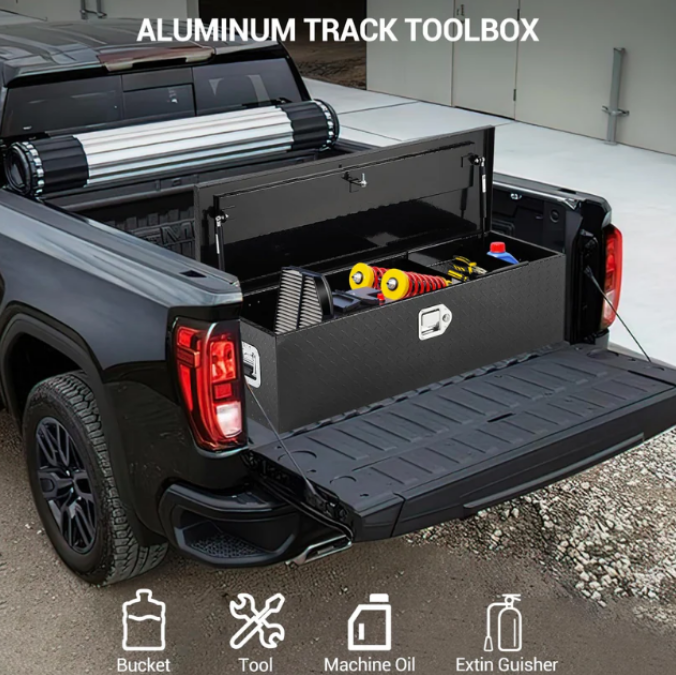
A dedicated storage system solves these issues by giving every item a proper place. A truck tool box helps separate tools from cargo, protects equipment from outdoor conditions, and keeps the truck bed cleaner. Instead of digging through piles of gear, workers can open one secure compartment and find what they need.
Good organization also improves worksite safety. Sharp tools, loose sockets, batteries, drill bits, and heavy equipment should not roll freely while driving. A structured storage setup reduces movement and helps prevent damage during sudden stops, rough roads, or uneven terrain.
Smart Truck Storage Solutions for Different Work Needs
Not every truck owner uses their vehicle the same way. A construction worker may need space for drills, saws, measuring tools, and fasteners. A mobile mechanic may carry wrenches, sockets, diagnostic tools, gloves, and spare parts. A landscaper may need pruning tools, tie-downs, oils, safety gear, and small repair items.
The best truck storage solutions match the way the truck is actually used. Before choosing a setup, consider the tools you carry every day, the tools you use weekly, and the items that only need to stay on the truck for emergencies.
A practical system may include:
-
A main storage box for high-value tools
-
Small bins or trays for fasteners and fittings
-
Separate sections for safety gear
-
Side storage for long or narrow tools
-
Weather-resistant storage for sensitive equipment
-
Tie-down points for larger cargo
The goal is not to fill every inch of space. The goal is to create a layout that makes daily work easier. A clean and logical storage plan helps workers move faster and reduces unnecessary searching.
Choosing the Right Truck Tool Box for Worksite Use
A tool box should fit both the truck and the job. Size, material, locking system, lid design, and mounting style all affect how useful it will be in real work conditions.
For lighter daily use, aluminum boxes are popular because they are durable, rust-resistant, and easier to handle. Steel boxes may be preferred for heavier-duty use where impact resistance and strength are major priorities. Weather-resistant seals are also important because work trucks are often exposed to rain, dust, mud, and changing temperatures.
When comparing options, look for features such as:
-
A secure locking system
-
Strong hinges and handles
-
A lid that opens smoothly
-
Enough interior space for your main tools
-
Weather protection
-
Compatibility with your truck bed size
-
Easy access from the side or rear of the truck
A good box should make your workday easier, not create another obstacle. If the lid is difficult to open, the box is too small, or the placement blocks cargo access, the setup may not support long-term organization.
Pickup Tool Storage Ideas That Save Time
Effective pickup tool storage is about grouping tools based on how often they are used. Items needed several times a day should be easy to reach. Less-used tools can be stored deeper inside the box or in secondary compartments.
For example, a contractor may keep tape measures, gloves, utility knives, drill bits, and small fasteners near the top. Heavier power tools can sit in the main compartment. Rarely used specialty tools can be placed toward the back.
Here are a few simple organization ideas:
Use Small Containers Inside the Tool Box
Even a large tool box can become messy if everything is placed inside loosely. Small containers, trays, and pouches help separate screws, nuts, washers, fittings, electrical connectors, and small accessories. This makes it easier to find small parts without emptying the entire box.
Separate Clean Tools From Dirty Gear
Worksites can be muddy, dusty, or greasy. Keeping clean tools separate from dirty gloves, used straps, or worn parts helps protect expensive equipment. This is especially useful for mobile mechanics and repair crews.
Keep Frequently Used Items Near the Top
The tools used most often should be the easiest to access. This small habit can save several minutes throughout the day, especially when working on multiple job locations.
Label Sections When Needed
For crews that share vehicles, labels can help everyone return tools to the correct place. This keeps the system consistent even when different workers use the same truck.
How a Truck Tool Box Protects Tools and Equipment
Tools are expensive, and replacing them can cut into profit quickly. Rain, dust, road vibration, and theft are common risks for tools stored in an open pickup bed. A secure storage box adds a layer of protection that loose storage cannot provide.
A truck tool box can help protect tools from weather exposure, reduce unnecessary movement, and keep valuable equipment out of plain sight. This is especially important for professionals who park at jobsites, customer locations, warehouses, farms, or public areas.
Better protection also helps tools last longer. Moisture can cause rust, dust can affect moving parts, and repeated impact can damage batteries, cases, and precision tools. By keeping items enclosed and organized, workers can reduce wear and extend the useful life of their equipment.
Better Truck Bed Organization for Jobsite Efficiency
Good truck bed organization improves more than appearance. It directly affects how quickly workers can start, complete, and clean up a job. When tools are easy to find, crews waste less time walking back and forth, searching through bags, or unloading cargo just to reach one item.
An organized truck bed also makes inventory easier. Workers can quickly see whether tools are missing before leaving a jobsite. This reduces the chance of leaving expensive equipment behind.
For better daily efficiency, try this simple system:
-
Store daily-use tools in the most accessible area
-
Keep emergency items in a fixed location
-
Use trays or dividers for small parts
-
Keep heavy items low and stable
-
Avoid mixing sharp tools with delicate equipment
-
Return tools to the same place after each job
Consistency is what makes the system work. A storage setup only stays useful if workers follow the same routine every day.
Matching Storage Layout to Automotive and Worksite Needs
The automotive niche includes more than personal pickup upgrades. Work trucks support roadside service, fleet maintenance, construction, towing support, equipment repair, delivery operations, and outdoor trade work. Each of these jobs depends on reliable access to tools.
For mobile automotive technicians, pickup tool storage may need to include sockets, diagnostic tools, jumper cables, air tools, lubricants, gloves, and replacement parts. For contractors, the layout may focus on drills, blades, levels, fasteners, and safety equipment. For outdoor crews, the setup may include straps, hand tools, sprayers, and repair kits.
The most effective truck storage solutions are flexible enough to handle both daily work and unexpected tasks. A strong storage setup helps the truck function like a compact mobile workshop without making the bed too crowded for materials or equipment.
Common Mistakes to Avoid
Even with a quality storage box, poor habits can reduce its usefulness. Avoid these common mistakes:
-
Buying a box without measuring the truck bed
-
Overloading the box with unnecessary items
-
Mixing small parts with heavy tools
-
Leaving tools loose inside the compartment
-
Blocking access with oversized cargo
-
Ignoring weather protection
-
Forgetting to lock the box in public areas
A tool box should support better organization, not become another cluttered space. Review the contents regularly and remove tools that are no longer needed.
FAQ
1. What should I keep in a truck tool box?
You can keep hand tools, power tools, safety gear, fasteners, gloves, straps, repair parts, and other work essentials. The best setup depends on your trade, truck size, and daily work routine.
2. How does a truck tool box improve truck bed organization?
It gives tools a dedicated, secure space instead of leaving them loose in the bed. This improves access, reduces clutter, protects equipment, and makes the truck easier to use on busy jobsites.
3. Are truck tool boxes useful for non-commercial truck owners?
Yes. Even if you do not use your truck for work every day, a tool box is useful for roadside gear, camping tools, emergency supplies, towing accessories, and home improvement equipment.
4. What is the best way to organize pickup tool storage?
Group tools by use. Keep daily-use items easy to reach, store small parts in containers, place heavy items securely, and return everything to the same location after each job.
5. How do truck storage solutions help protect tools?
They reduce exposure to rain, dust, impact, and theft. A secure box also keeps tools from sliding around while driving, which helps prevent damage.
Conclusion
A well-organized work truck helps crews save time, protect tools, and operate more professionally on every jobsite. Instead of letting equipment roll around in the bed, a dedicated storage box creates structure and keeps essential items within reach. The right setup supports better truck bed organization, improves daily access, and reduces the frustration of lost or damaged tools.
For contractors, mobile mechanics, landscapers, and everyday pickup owners, practical truck storage solutions are a smart investment in efficiency and tool protection. With thoughtful pickup tool storage, the truck becomes more than a vehicle—it becomes a reliable work partner that keeps tools secure, organized, and ready for the next task.